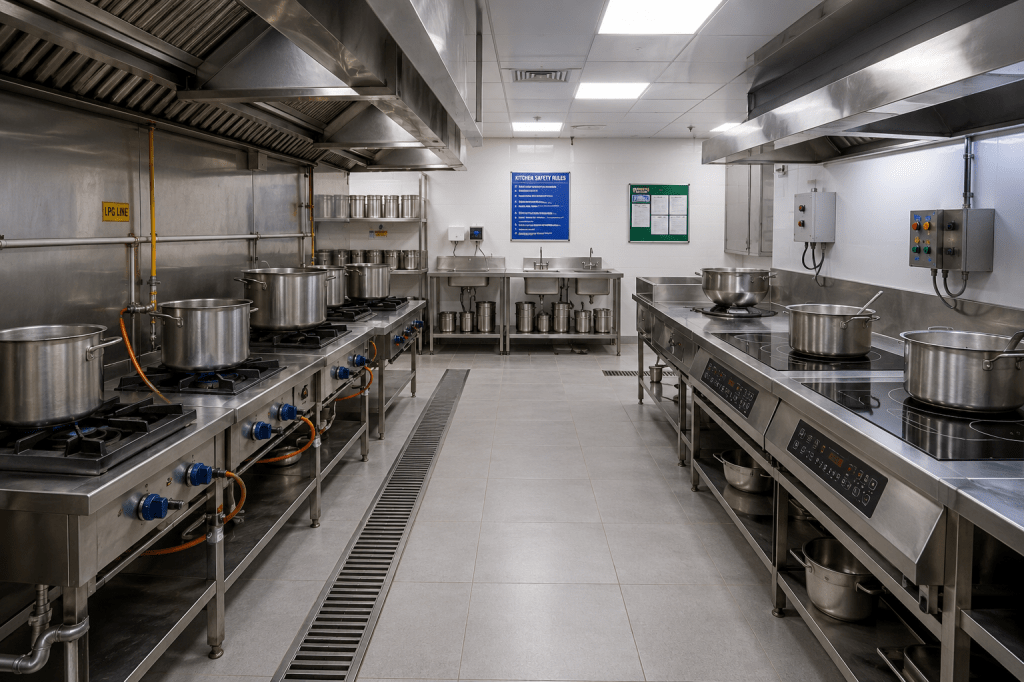
The recent global war situations have changed the way how we look at a lot of things around us. A lot of people just realised that we were never working independently, but dependent globally. It pushed a new sense of Patriotism for Make In India products. This resulted in lot of people changing the consumption patterns, searching for Make In India products.
A segment that was badly bruised by the war is the cooking industry. For many industries though it does not impact the balance sheet in the positive way, like how a ROI can be calculated for a capital investment, food is a segment that adds value to employee satisfaction. The results are not quantitative but qualitative. As the saying goes, the best way to a man’s heart is through the stomach.
This presented them with a peculiar challenge. The expenses were growing on food, the availability of gases became a headache. Many industries started digging onto their production LPG gases for their cooking needs. This lead to a larger problem.
A solution that has been taken up for this invest into electric cooking. This leaves with a larger question? Is this a solution that solves everyone’s problem? The search for the answer lead to us deeper research. The results left us thinking?
The Rise of Electric Cooking
The evident feature that you will not miss is a cooler ambient temperature when you shift to electric cooking. This is something that no one can deny, but, will that be the reason to go for it? Studies says that the cost for producing per Kg of food is cheaper than current LPG cost. These two factors are definitely a compelling reason to push for electric cooking.
“While electric cooking reduces heat inside the kitchen and can lower operating costs, it does not automatically make the process renewable. In a country where nearly three-fourths of electricity generation still originates from fossil fuels, the source of electricity becomes as important as the cooking technology itself.”
Is Electric Cooking Really Green?
While the advantages of electric cooking are evident, the transition is not without its challenges.
The most significant shift is not the equipment itself, but the cooking process. Electric cooking behaves differently from LPG-fired systems. Heating patterns, response times, and temperature control vary considerably, requiring chefs and kitchen staff to adapt their cooking techniques. This often necessitates extensive training and a change in established culinary practices.
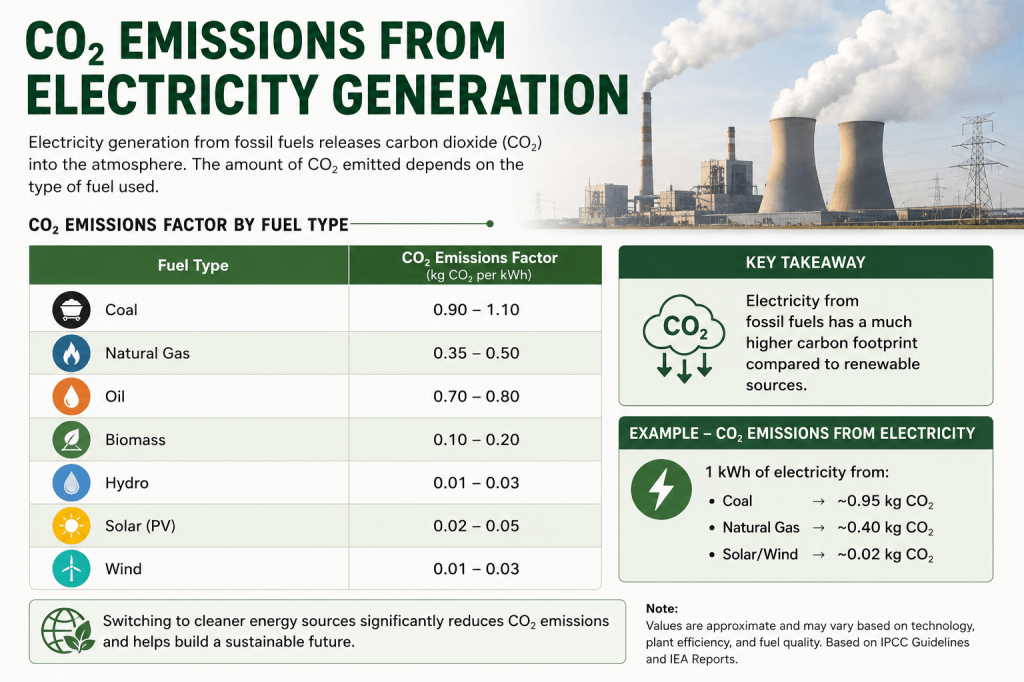
| Electricity Source | CO₂ Emissions per kWh |
|---|---|
| Coal-based power | 0.8–1.1 kg CO₂ |
| Natural gas | 0.35–0.5 kg CO₂ |
| Grid average (India) | ~0.7–0.9 kg CO₂ |
Renewable energy accounts for roughly 20–26% of electricity generation. The rest comes from Fossil Fuel
Another aspect that deserves attention is the carbon footprint associated with electric cooking. While the kitchen itself becomes cleaner and cooler, the environmental impact depends largely on the source of electricity. In India, a substantial portion of electricity generation continues to originate from fossil fuels, particularly coal. Although renewable energy capacity has grown rapidly, renewable sources contribute only around one-fourth to one-third of the country’s actual electricity generation.
As a result, shifting from LPG to electric cooking does not automatically eliminate carbon emissions; it merely transfers them from the point of use to the point of power generation. For organizations with ambitious ESG and sustainability targets, this presents a unique challenge. The reduction in direct emissions may be accompanied by an increase in indirect emissions through grid electricity consumption.
Shifting Emissions or Reducing Them?
To offset this impact, many companies may need to invest in renewable energy procurement, captive solar installations, green power purchase agreements, or other sustainability initiatives. Consequently, the decision to adopt electric cooking should not be evaluated solely on operational costs, but on the broader energy ecosystem in which the kitchen operates.
Electric cooking is undoubtedly a powerful tool for improving kitchen conditions and reducing dependence on LPG. However, like any technology, its success depends on where it is implemented, how it is powered, and whether the supporting infrastructure is ready for the transition.
Perhaps the question is not whether electric cooking is better than LPG, but whether the energy ecosystem supporting it is ready to deliver on its promise.
– An article by Metasis Technology Solutions (+919677119190).
At Metasis Technology Solutions, we are committed to helping industries navigate the challenges of a rapidly evolving world. As a trusted technology partner, we deliver innovative solutions and advanced equipment that drive operational excellence, sustainability, and long-term growth.
Innovating Today for a Sustainable Tomorrow.
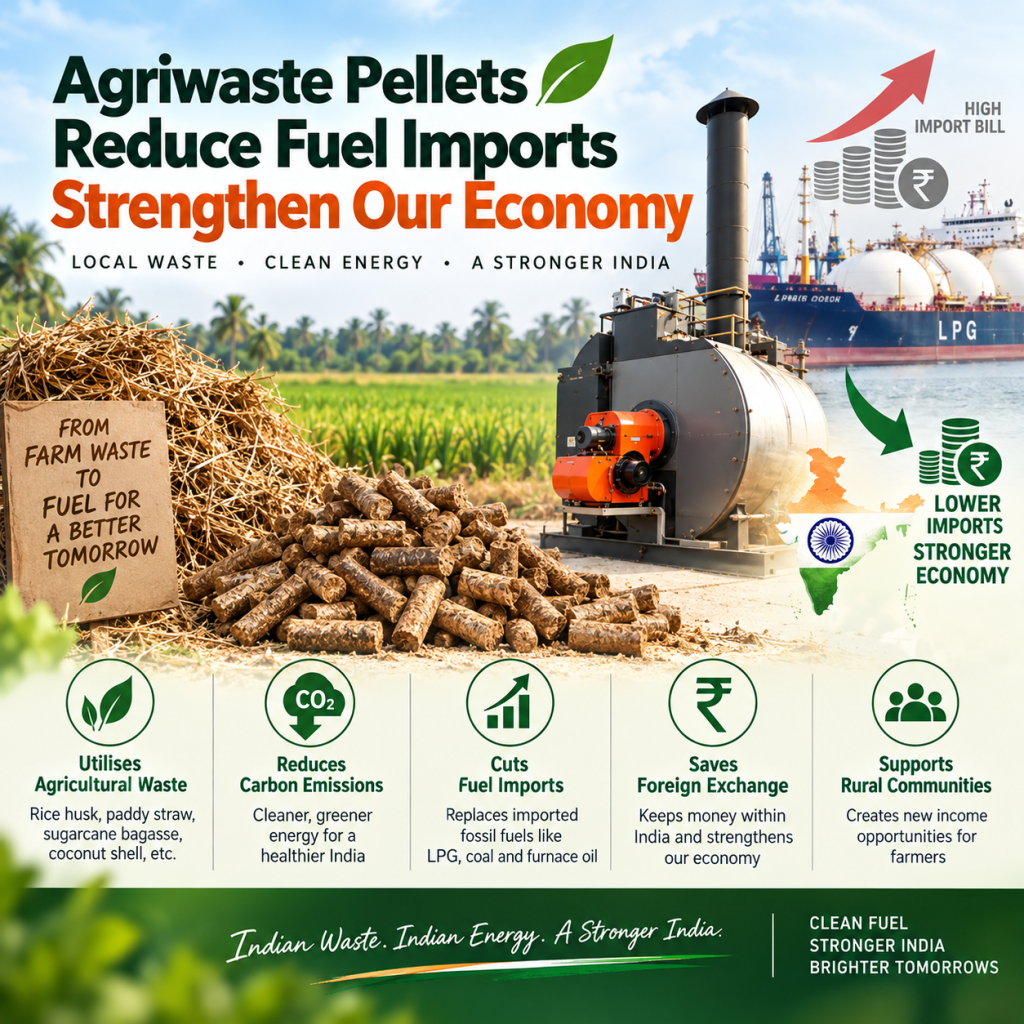
We offer Agri-waste pellet based heating solutions for your Boiler/ Industrial Heating Applications and Radiant Technology based Cookstove for Industrial Cooking / Restaurants.
To explore sustainable practices in your factory, reach out to us @ metasis.ts@gmail.com / cto@metasistech.in.


Leave a Reply