
From international summits to factory floor meetings, one word echoes everywhere: sustainability. Yet, very few pause to ask—what does it really mean, and how does it affect us personally?
At its core, sustainability means meeting today’s needs without robbing future generations of their resources. In simple terms: using wisely today so tomorrow isn’t bankrupt.
In developing nations, however, this mindset is often overshadowed by the daily struggle for survival—survival of the fittest takes precedence over sustainability of the future. But surprisingly, sustainable practices are not just eco-friendly—they’re also economically sound. Take public transport, for example: wider adoption reduces fuel imports, improves air quality, and strengthens the national economy. Yet, when everyone races against time, the shared option gets ignored.
The absence of sustainable thinking is evident in government projects, industries, and even daily life. Consider India’s municipal solid waste: of the ~62 million tonnes generated annually, only about half is treated—and most of that ends up in landfills or incinerators, with minimal resource recovery. Landfills poison soil, water, and air over decades, silently dismantling local ecosystems.
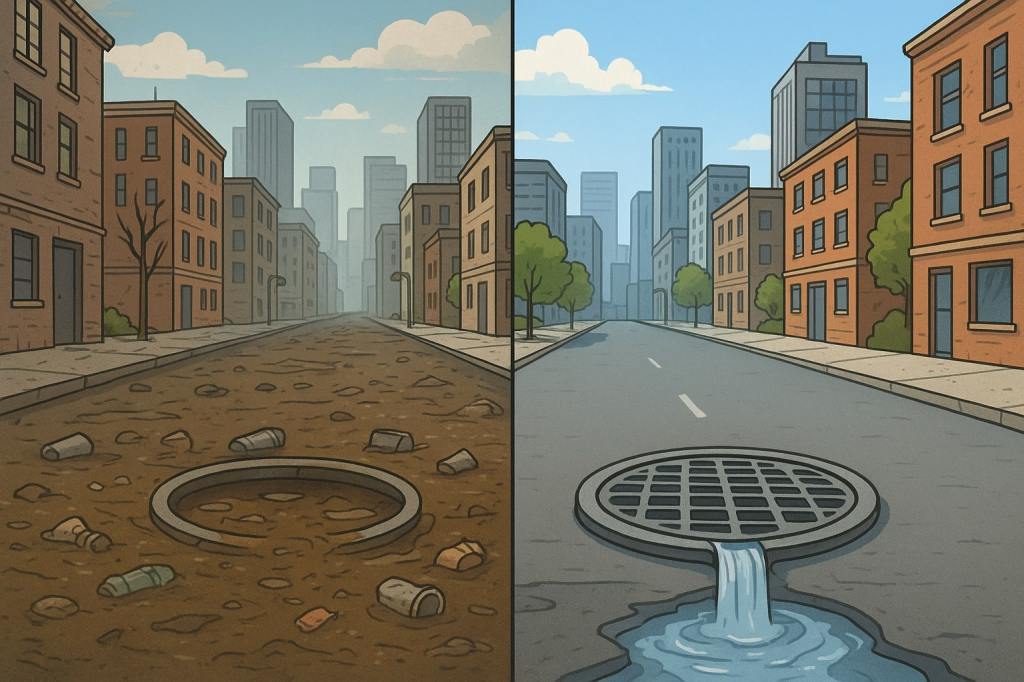
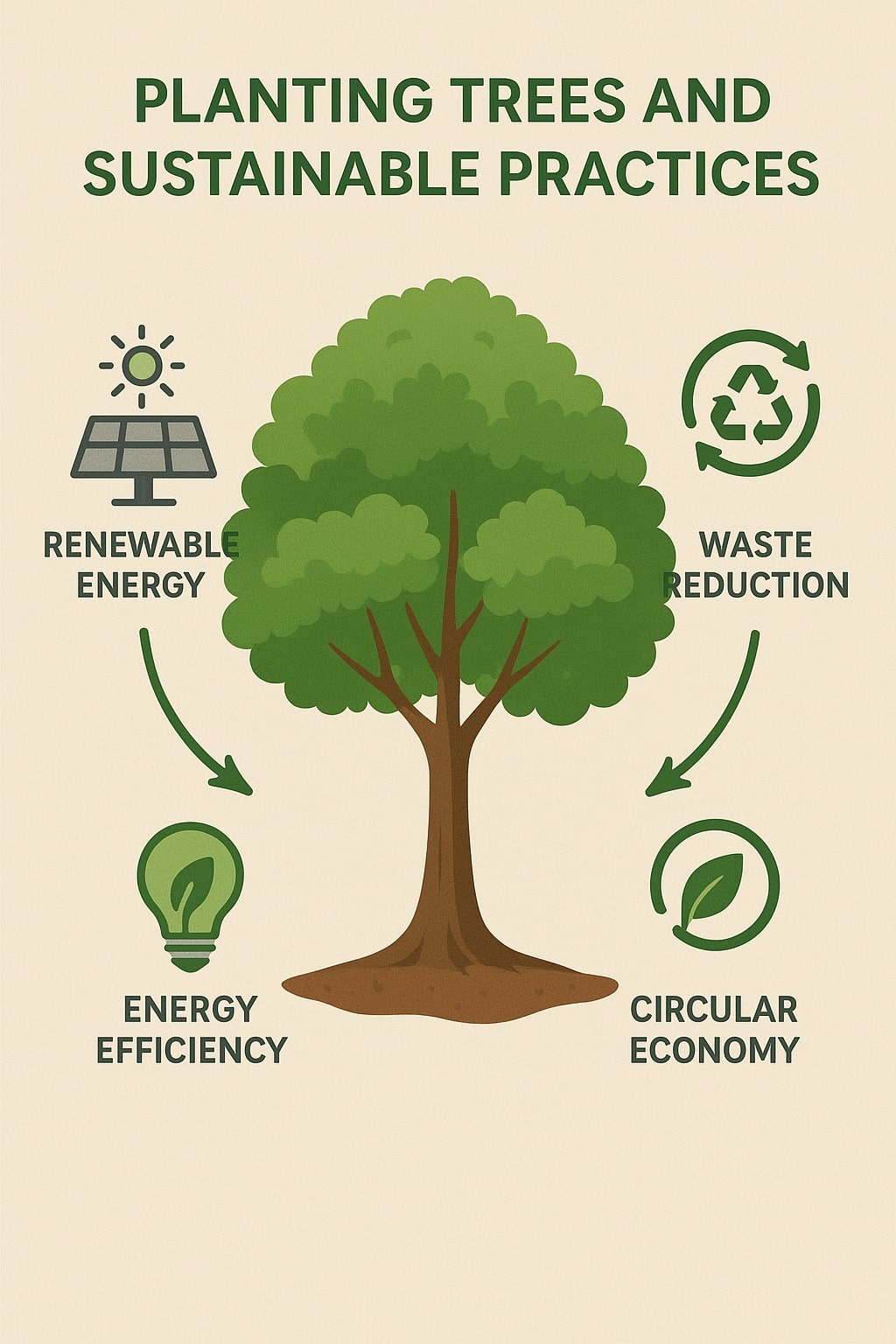
On the brighter side, advancements in renewable energy, waste-to-energy technologies, water recycling, and green manufacturing show a clear path forward. The real question is: will India, and its people, embrace long-term vision over short-term convenience?
Sustainability is not just a corporate report or a government policy—it is a mindset. And change begins when each of us learns to see beyond today’s urgency, to secure tomorrow’s survival.
This is not the conclusion, but the starting point of a path that demands persistence, innovation, and collective will.

 navariTIE
Leave a comment