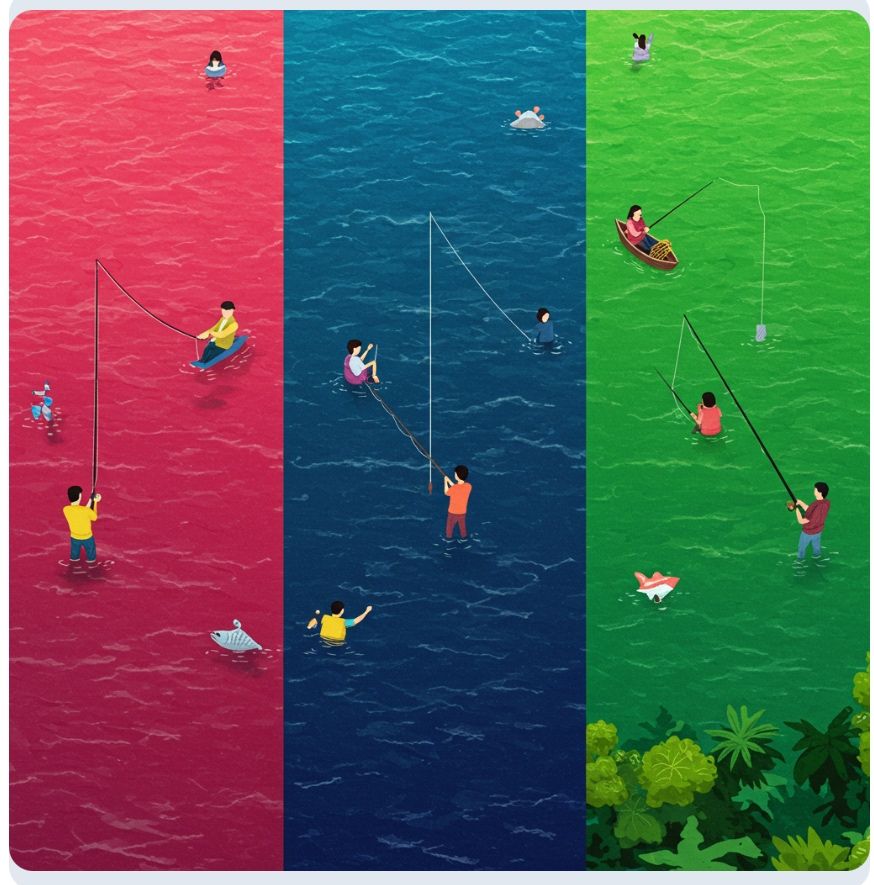
The Green Ocean: An Ideology of Regeneration and Harmony
The “Green Ocean” is not merely a set of best practices; it’s a fundamental shift in our industrial and societal paradigm. It’s an ideology rooted in the profound understanding that our planet is a finite system, and true prosperity can only be achieved by working within its natural limits, rather than perpetually exploiting them. It’s about recognizing that every product, every service, every transaction has a ripple effect that extends far beyond the immediate exchange of goods or money.
The core tenets of the Green Ocean ideology include:
Regenerative by Design: Moving beyond “less bad” to “actively good.” This means designing products, processes, and systems that not only minimize negative impacts but actively restore and enhance natural systems. It’s about putting back more than we take.
Systems Thinking and Interconnectedness: Understanding that everything is connected. A “solution” in one part of the value chain that creates a problem elsewhere is not a Green Ocean solution. It requires a holistic view of material flows, energy cycles, social impacts, and economic viability across the entire lifecycle.
Value Creation Beyond Consumption: Shifting from a linear “take-make-dispose” model to one where value is maintained and enhanced through continuous cycles. This implies prioritizing access and service over ownership, fostering repairability, and enabling multiple lifecycles for materials.
Decoupling Growth from Resource Depletion: Achieving economic growth and societal well-being without relying on ever-increasing consumption of virgin resources and fossil fuels. Innovation is geared towards resource efficiency, renewable energy, and circular material flows.
Ethical Responsibility and Inter-generational Equity: Recognizing our moral obligation to future generations and the non-human world. Decisions today must not compromise the ability of those who come after us to thrive. This includes fair labor practices, community engagement, and transparent supply chains.
Examples in the Manufacturing World:
Here’s how the Green Ocean ideology translates into tangible manufacturing practices, embodying circularity, complete sustainability, advanced recycling, and reduced reliance on mining and fossil fuels.
Circular Economy in Action: The “Product-as-a-Service” Model
Traditional (Red/Blue Ocean): A company sells industrial machinery (e.g., a large pump). The customer owns it, and when it breaks or becomes obsolete, it’s often scrapped, requiring new raw materials to build a replacement.
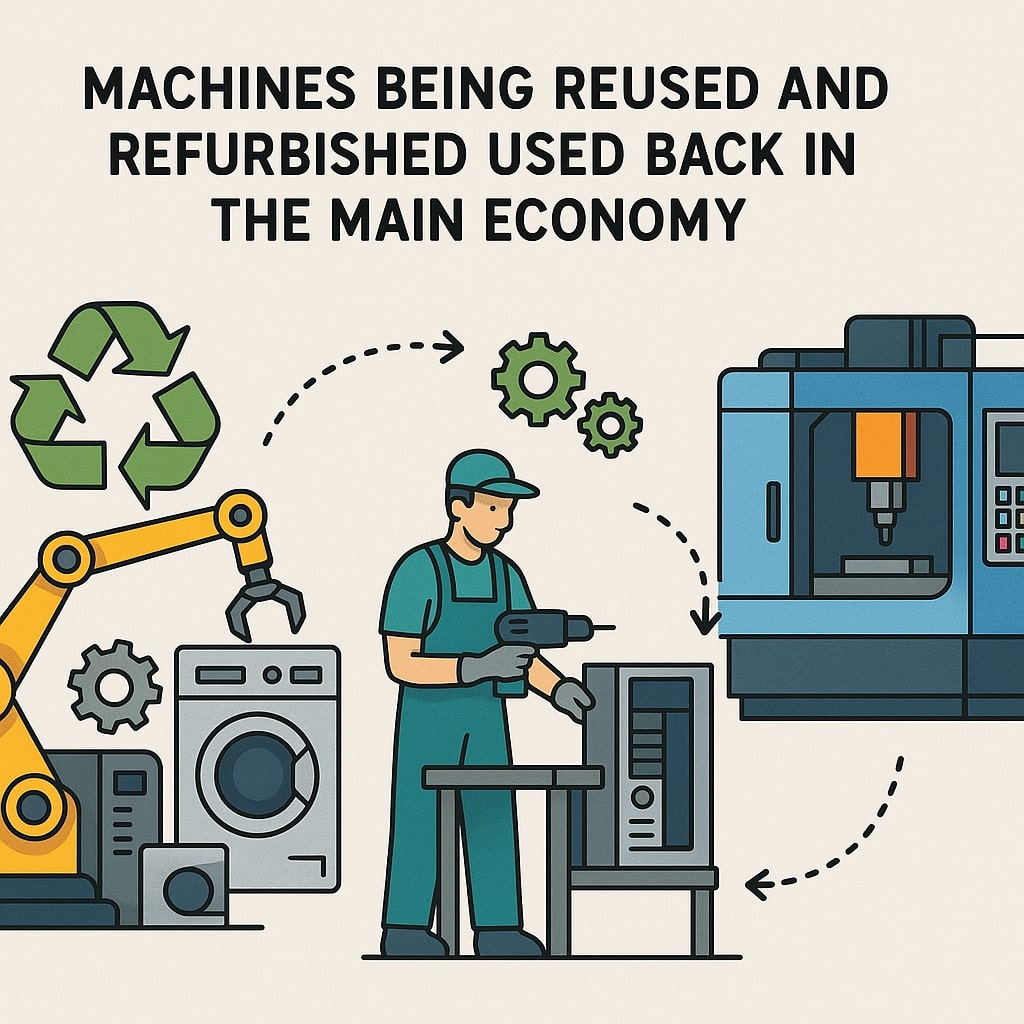
Green Ocean: The company leases the industrial pump to the customer, retaining ownership. This incentivizes the manufacturer to design for durability, repairability, and upgradability. When the pump needs maintenance or an upgrade, the manufacturer takes it back, refurbishes or re-manufactures components, and reintroduces them into the system. This drastically reduces the need for new raw materials and minimizes waste.
Example: Philips Lighting offers “light-as-a-service” where customers pay for the light they use, not the light fixtures themselves. Philips maintains ownership of the lighting systems, incentivizing them to design highly efficient, long-lasting, and easily upgradeable lights, fostering a true circular model.
Complete Sustainability: “Cradle-to-Cradle” Design
Traditional (Red/Blue Ocean): Products are designed for a single use or a limited lifespan, with little consideration for their end-of-life impact. Materials are often mixed and difficult to separate, making recycling inefficient or impossible.
Green Ocean: Products are designed from the outset with their entire life-cycle in mind, adhering to “cradle-to-cradle” principles. This means materials are categorized as either biological nutrients (biodegradable and safe for natural cycles) or technical nutrients (non-toxic, durable materials that can be continuously recycled in closed loops).
Example: Method (cleaning products) designs packaging from 100% post-consumer recycled plastic, and their formulations are biodegradable. They aim to make their products as safe for the environment as they are for consumers, ensuring that “waste” from their products can safely re-enter biological cycles. Similarly, some textile companies are developing biodegradable clothing that can safely decompose or be composted at the end of its life, eliminating micro-plastic pollution
Advanced Recycling and Urban Mining: The “Material Loop”
Traditional (Red/Blue Ocean): Recycling is often an afterthought, limited to easily separable materials, and quality degrades with each cycle (down cycling). Dependence on virgin raw materials from mining is high.
Green Ocean: Investment in advanced recycling technologies that can efficiently separate and recover high-quality materials from complex waste streams. This includes chemical recycling for plastics, urban mining for precious metals from electronics, and advanced material sorting. The goal is to create truly closed-loop material flows, minimizing the need for new extraction.
Example: Companies like Li-Cycle are developing innovative hydrometallurgical processes to recover critical battery materials (lithium, nickel, cobalt) from end-of-life electric vehicle batteries with high efficiency and purity. This directly reduces the reliance on environmentally intensive virgin mining for these crucial resources.
Urban mining initiatives are also growing, where valuable metals and rare earth elements are extracted from discarded electronics (e-waste), essentially turning cities into “mines” of valuable resources.
Less Dependence on Mining and Fossil Fuels: Renewable Energy and Biomaterials
- Traditional (Red/Blue Ocean): Manufacturing processes are heavily reliant on fossil fuels for energy and raw materials (e.g., plastics from petroleum).
- Green Ocean:
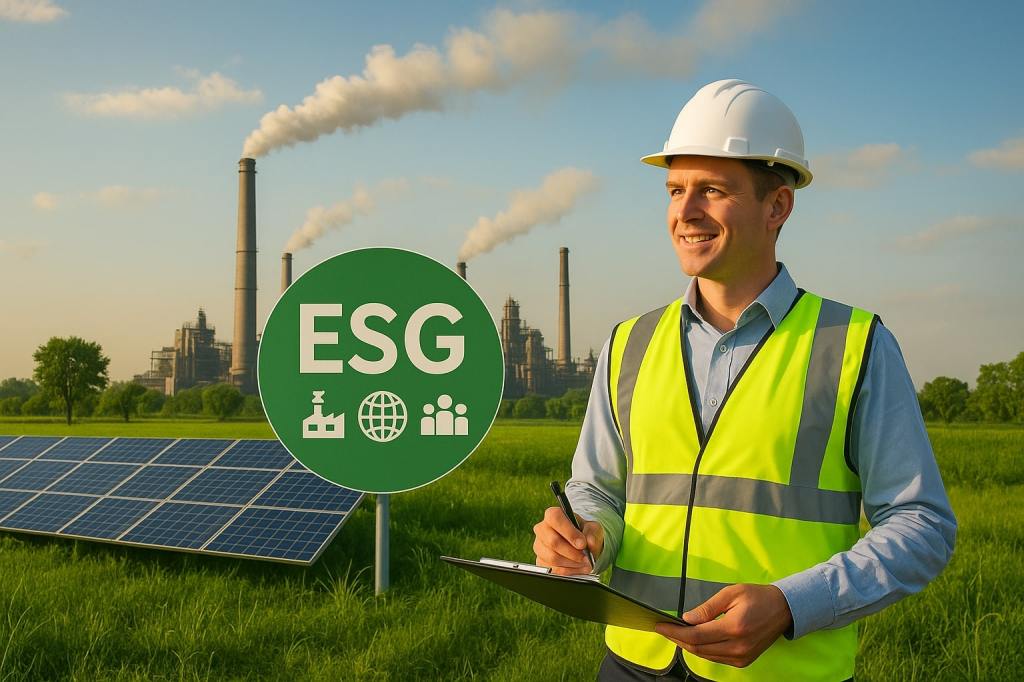
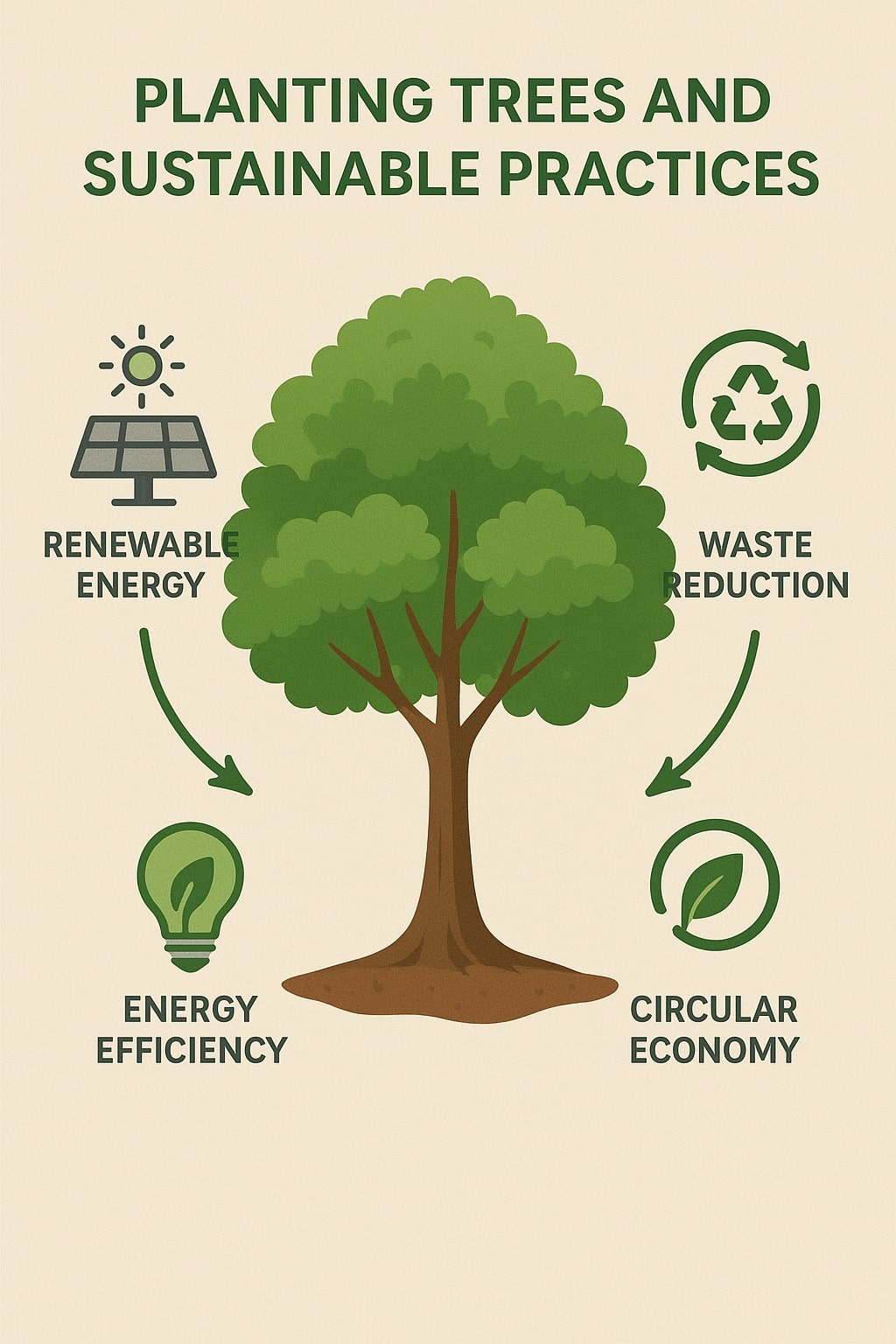
- Energy Transition: Manufacturing facilities are powered entirely by renewable energy sources (solar, wind, geothermal). This involves not just purchasing renewable energy credits but actively investing in on-site generation or direct power purchase agreements from renewable sources.
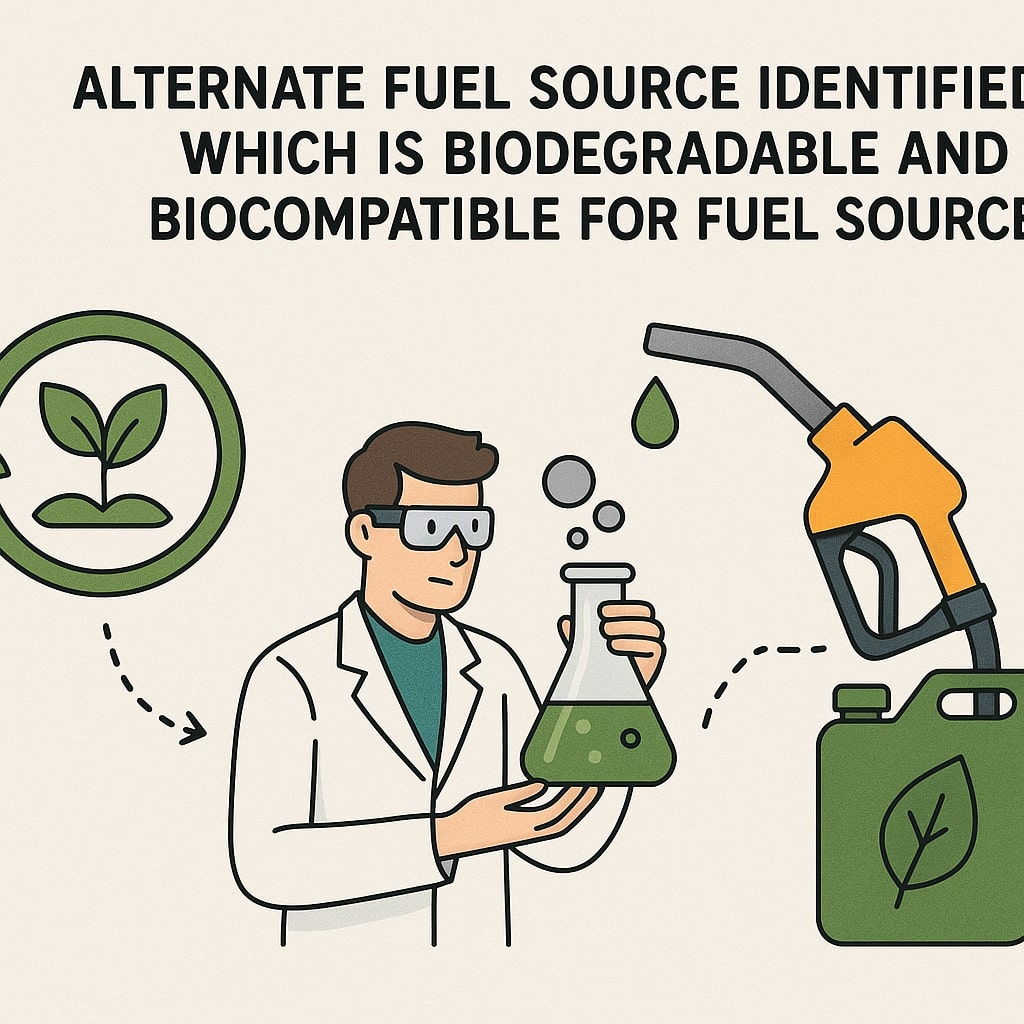
- Biomaterial Innovation: Shifting away from petrochemical-derived plastics and materials towards bio-based, biodegradable, and compostable alternatives derived from sustainable agriculture or waste streams.
- Example: Patagonia (an apparel company) extensively uses recycled polyester (made from plastic bottles) and is constantly researching new, more sustainable fibers, including regenerative organic cotton. Their commitment extends to advocating for responsible business practices and investing in renewable energy across their supply chain.
- Companies developing packaging from agricultural waste (e.g., mushroom mycelium, sugarcane bagasse) are prime examples of reducing dependence on both fossil fuels (for plastic) and virgin timber (for paper products)
The Green Ocean isn’t a utopian ideal, but a pragmatic and necessary evolution for manufacturing. It challenges us to rethink fundamental assumptions about growth, value, and our relationship with the planet, forging a path towards a truly sustainable and regenerative future.



 navariTIE
Leave a comment