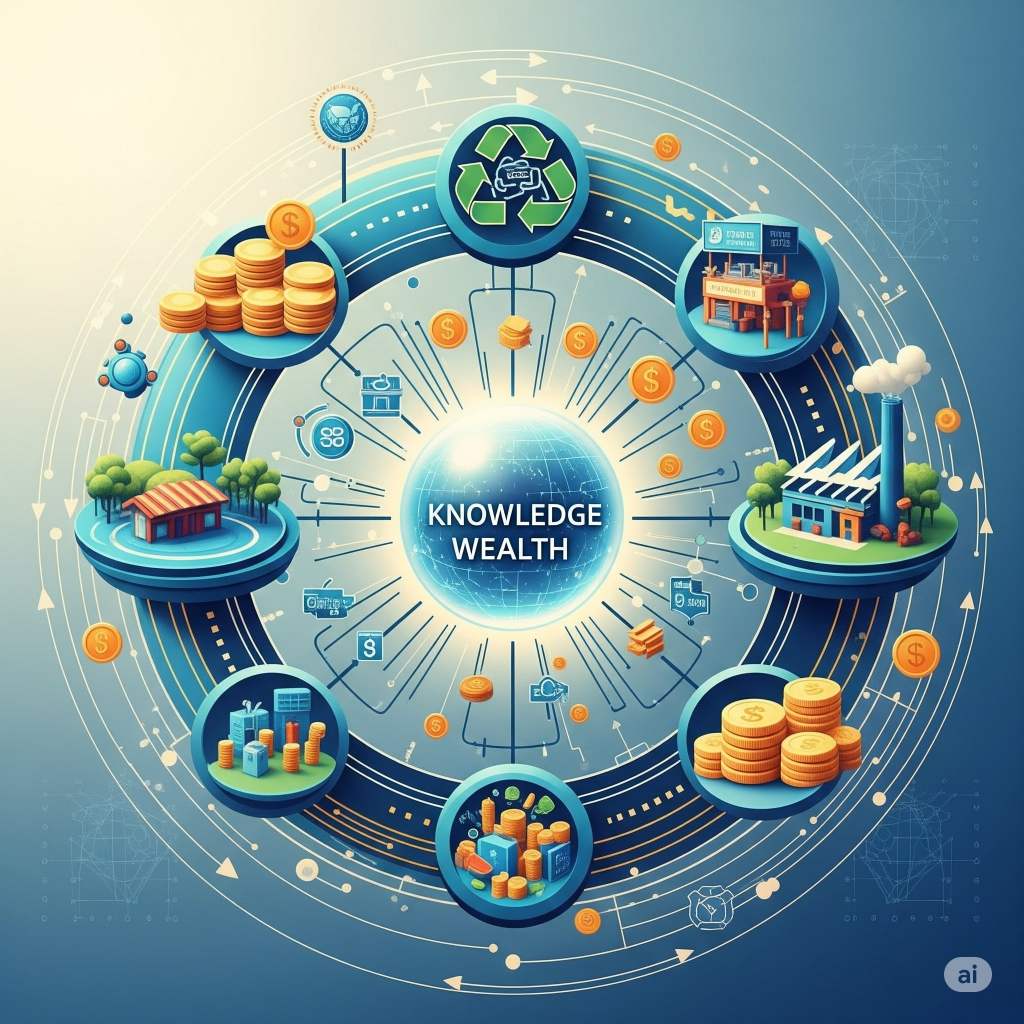
In a world often fixated on accumulation, where “wealth” is synonymous with burgeoning bank accounts, sprawling estates, and an ever-increasing portfolio of assets, it’s time to redefine what it truly means to be wealthy. The prevailing narrative champions the individual who hoards the most, celebrates the one who possesses the greatest quantity. But what if genuine wealth lies not in what is stored, but in what is shared and circulated?
My definition of a truly wealthy person is remarkably simple, yet profoundly transformative: it is devoid of how much money, property, or material possessions they possess. Instead, it is measured by how much of their wealth, in terms of both their earnings and the knowledge they have acquired, they have generously shared for the betterment of humanity and the preservation of our precious ecosystem.
Imagine wealth not as a stagnant pond, but as a vibrant, flowing river. When water is dammed and held back, it can become stagnant, even putrid. But when it flows freely, nourishing the land, supporting life, and eventually returning to the greater cycle, it brings vitality and abundance. So it is with true wealth.
The individual who understands this principle recognizes that their earnings, beyond what is necessary for a comfortable and secure life, are not merely personal trophies to be displayed or hidden away. They are a resource, a powerful current to be directed towards upliftment. This could manifest in countless ways: investing in education for underprivileged communities, funding sustainable initiatives, supporting medical research, or empowering grassroots organizations working to alleviate poverty and injustice. The impact of such circulation is exponential, creating ripples of positive change that extend far beyond the initial contribution.
Equally vital to this redefined wealth is the sharing of knowledge. In our information-rich age, knowledge is a profound form of capital. A truly wealthy individual doesn’t jealously guard their insights, expertise, or wisdom. Instead, they actively disseminate it. They mentor aspiring minds, openly share their discoveries, contribute to public discourse, and dedicate their intellectual prowess to solving pressing global challenges. Whether it’s a scientist sharing groundbreaking research, an artist inspiring creativity, an entrepreneur sharing business acumen, or an elder imparting life lessons, the circulation of knowledge enriches the collective human experience and accelerates progress.

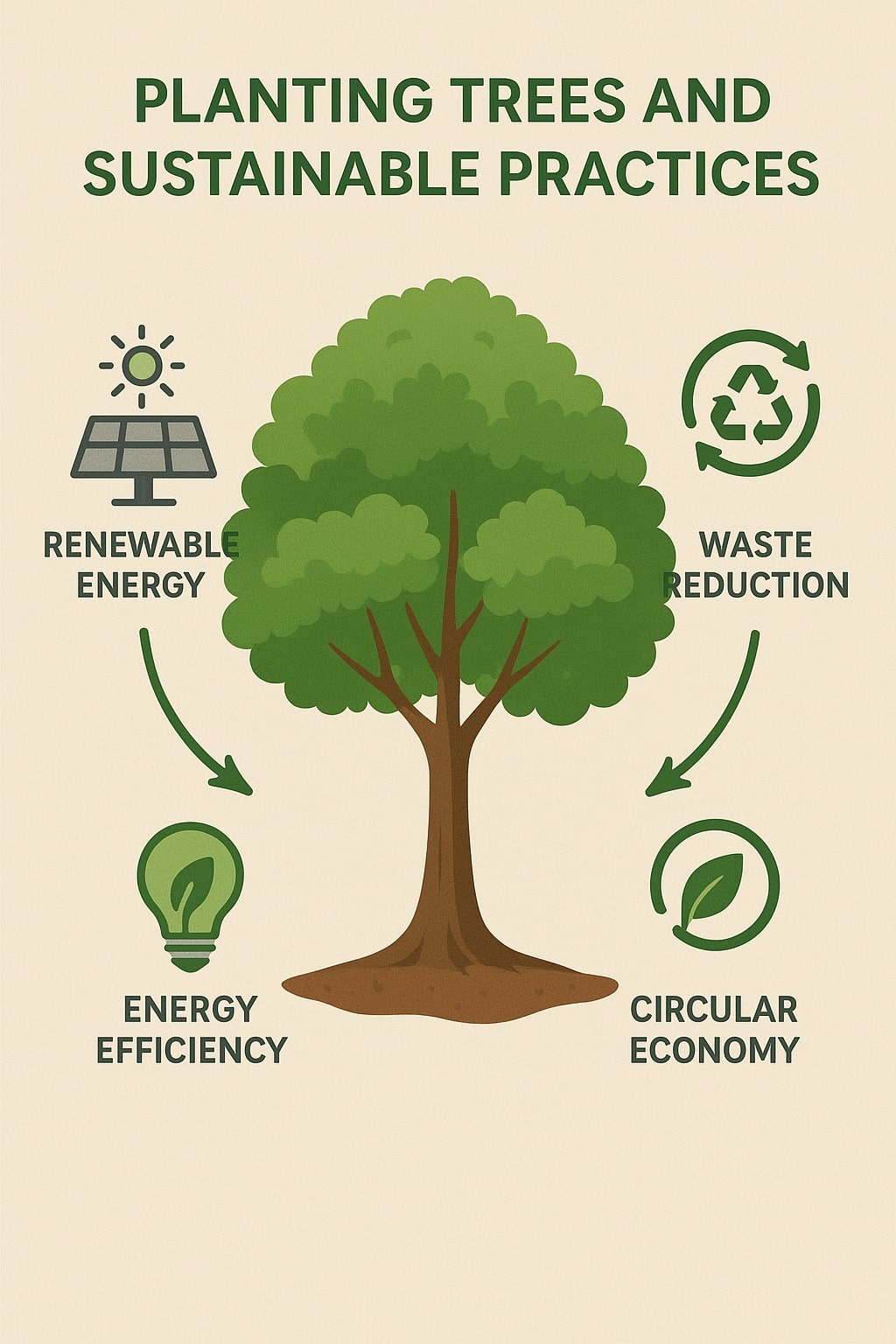
Consider the profound implications for our planet. A person truly wealthy in this sense would prioritize the health of our ecosystem in their decisions and sharing. This might involve investing in renewable energy, supporting conservation efforts, advocating for sustainable practices, or dedicating their resources to developing innovative solutions for environmental challenges. Their “earnings” are not just monetary; they are also the restoration of vital habitats, the reduction of carbon footprints, and the fostering of a healthier planet for future generations.
This paradigm shift moves us away from a zero-sum game of accumulation towards a regenerative model of prosperity. When wealth is circulated, it doesn’t diminish; it multiplies its impact. It fosters innovation, alleviates suffering, empowers communities, and nurtures the very planet that sustains us.
So, the next time we encounter someone with vast resources, let us not be so quick to label them “wealthy” based solely on their possessions. Instead, let us look for the evidence of their generosity, the impact of their sharing, and the positive currents they have set in motion. For in the grand tapestry of human existence, true wealth is not about how much you hold, but about how much you give, how widely you share, and how profoundly you contribute to the flourishing of all. Let us aspire to be not just rich in possessions, but truly wealthy in contribution, circulating the currents of prosperity for the benefit of all humanity and our shared home.


 navariTIE
Leave a comment